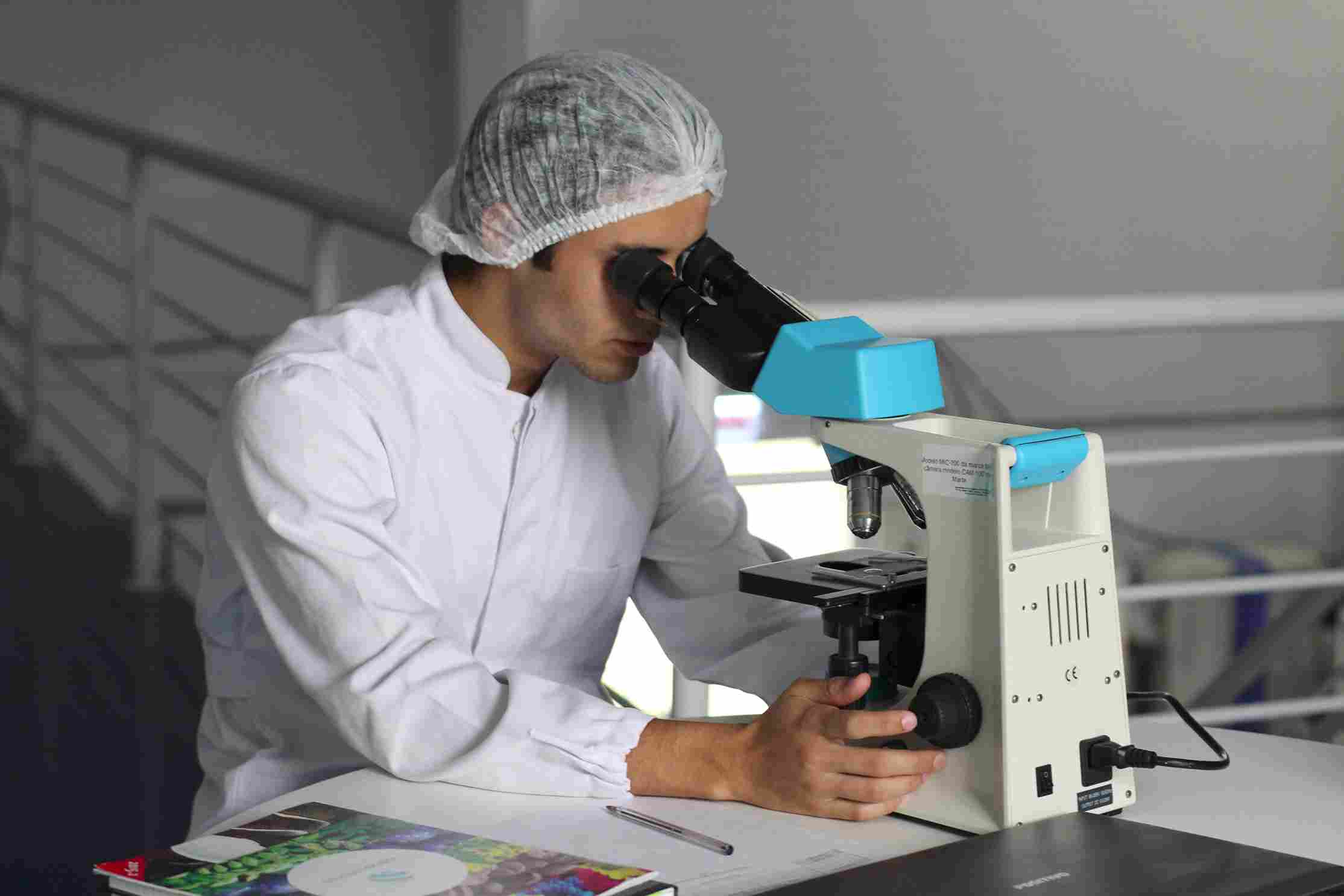
In sterile compounding, the aseptic technique contributes to the prevention of microbiological contamination. It provides sterility, safety, and efficacy to the sterile product, especially various injections for patients. Cleaning, Gowning, and proper methods of contamination control will be reviewed along with why clean rooms are designed the way they are.
WHY SHOULD YOU ATTEND?
Compounding sterile products are made utilizing an aseptic technique. Aseptic technique is a microbiological term referring to the prevention of microorganism contamination. The procedure involves the use of specialized equipment, sterile apparel, meticulous processing, and continuous cleaning. This course will review proper cleaning, gowning, and ways to avoid the common sources of contamination that exist in a clean room environment. This course is also a good refresher for those personnel who are familiar with the way to properly work in the clean room and why Cleanrooms are designed for proper contamination control.
LEARNING OBJECTIVES
- Definition of Aseptic Processing (AP)
- Terminal Sterilization vs. AP
- Proper Personnel Behavior in a Cleanroom
- Facility Design and how it impacts the product
- A review of proper environmental monitoring practices and systems used
- Aseptic Technique & Clean Room Behavior
WHO WILL BENEFIT?
This course will benefit those Aseptic operators, Aseptic sample handlers, personnel who work in a Biological Safety Cabinet (BSC), and their management and Quality Assurance counterparts, in highlighting how to operate in a clean room environment, proper facility design, proper personnel gowning, and the equipment needed to conduct environmental monitoring. In addition, this course will review how Quality Systems help define requirements for aseptic techniques and clean rooms and how to properly maintain these environments.
- Microbiology
- Aseptic Technique
- Environmental Monitoring
- Gowning
- FDA
- Clean Room
- ISO
- Classifications
- Contamination Control
Compounding sterile products are made utilizing an aseptic technique. Aseptic technique is a microbiological term referring to the prevention of microorganism contamination. The procedure involves the use of specialized equipment, sterile apparel, meticulous processing, and continuous cleaning. This course will review proper cleaning, gowning, and ways to avoid the common sources of contamination that exist in a clean room environment. This course is also a good refresher for those personnel who are familiar with the way to properly work in the clean room and why Cleanrooms are designed for proper contamination control.
- Definition of Aseptic Processing (AP)
- Terminal Sterilization vs. AP
- Proper Personnel Behavior in a Cleanroom
- Facility Design and how it impacts the product
- A review of proper environmental monitoring practices and systems used
- Aseptic Technique & Clean Room Behavior
This course will benefit those Aseptic operators, Aseptic sample handlers, personnel who work in a Biological Safety Cabinet (BSC), and their management and Quality Assurance counterparts, in highlighting how to operate in a clean room environment, proper facility design, proper personnel gowning, and the equipment needed to conduct environmental monitoring. In addition, this course will review how Quality Systems help define requirements for aseptic techniques and clean rooms and how to properly maintain these environments.
- Microbiology
- Aseptic Technique
- Environmental Monitoring
- Gowning
- FDA
- Clean Room
- ISO
- Classifications
- Contamination Control